Carers Report
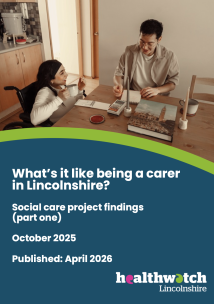
We also wanted to hear carers’ experience of accessing and receiving social care for the person they care for.
In total 153 carers shared their views. All carers who shared their views were adults (adult carers). Most commonly carers were caring for their spouse/partner or a parent.
66% (94) cared for someone over the age of 65. Respondents were providing care for a range of, and often multiple complex needs, including Dementia or memory loss, mobility impairment, frailty and long term health conditions.
Key headlines include:
- Challenges faced by carers – Loneliness and social isolation was felt by many carers and in some cases resulted in a physical or mental health conditions. Carers experienced barriers to care including lack of information and financial strain. A wider impact of reduced working hours and missing education was experienced.
- Difficulties navigating the care system – Carers found it difficult finding help and experienced lack of communication and lack of services. Long waiting times and poor co-ordination was also experienced.
- Barriers to accessing support for carers – Carers expressed they were unaware of what was available and that they didn’t always recognise themselves as a carer. Services were hard to navigate, and they felt guilty or uncomfortable asking for help (in some instances this was due to negative experiences in the past).
- Lincolnshire Carers Services – These services were often the main source of support for respondents and the person they cared for.
- Carers Groups - Feedback from carers groups highlighted many of the same issues that were raised through the survey including; loneliness, lack of communication, feeling overwhelmed by the system, transport restrictions, lack of consistency with quality of care and information, mental health support in older adults and respite care.
What works well?
Positive experiences reported by respondents appeared to be down to getting support for the person they care for including financial support, equipment/adaptations and support from social workers and carers.
What could be improved?
- Timelier access to support
- Better communication
- Greater continuity of care
- Improved quality of care
-
Services be more proactive and greater transparency around services and eligibility
Read the full report below.